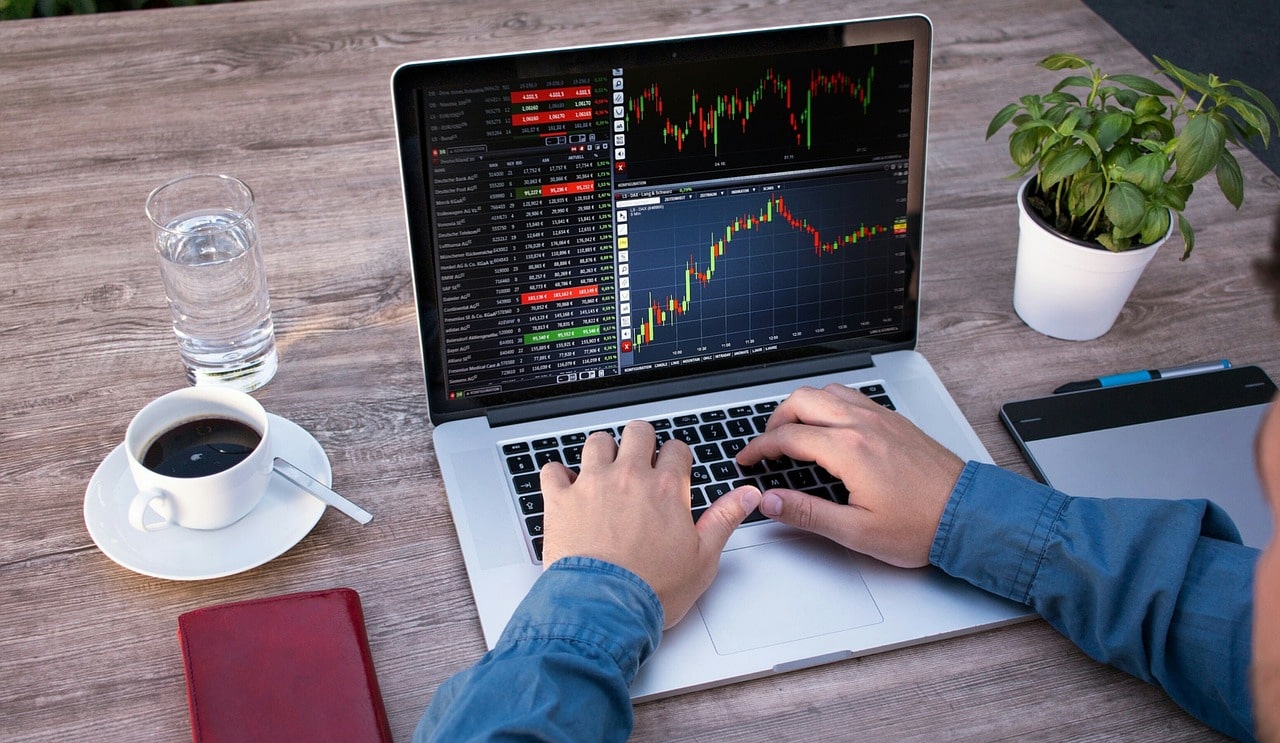
The world of financial markets moves at a breakneck pace — and nothing shakes the foundation faster than unexpected news. Over the years, traders and analysts alike have learned that understanding volatility is key to navigating market turbulence with confidence and agility.
When headlines hit the wires, prices can swing dramatically within minutes. The source of the news often matters as much as its content, whether it’s a central bank announcing a rate decision or a tech giant revealing quarterly earnings. At times like this, volatility isn’t just noise — it becomes the opportunity.
What Drives Volatility
Volatility in markets arises whenever uncertainty surges. Unexpected bumps — such as geopolitical tensions, macroeconomic surprises, corporate earnings, or sudden regulatory changes — generate reactions. Even when a piece of news seems minor in isolation, markets may respond severely if investors interpreted expectations differently.
The key drivers behind such sharp movements include:
-
Information Surprise: When results deviate from consensus estimates — say, a company reports earnings that sharply beat or miss forecasts — the gap between expectation and reality jolts prices.
-
Market Sentiment and Herd Behavior: News doesn’t affect only rational traders. Oftentimes, indecision and fear can spread, fueling panic selling or euphoric buying that exacerbates volatility.
-
Liquidity and Positioning: In thinly traded assets or when many traders hold similar positions, a small news item can trigger a cascade of stop orders or algorithmic trades that magnify moves.
By understanding what kinds of events tend to produce turbulence, traders can better anticipate — and, where appropriate, react to — volatile conditions.
Strategies for Trading During High Volatility
When volatility spikes, trading strategies often need to shift. Many long-term approaches may struggle; shorter-term tactics and tighter risk controls tend to fare better. Some of the commonly adopted strategies include:
-
Breakout Trading: In volatile environments, price action tends to carve wide ranges. Breakout traders look for prices breaching key support or resistance zones, riding momentum when volatility carries them.
-
Scalping or Short-Term Trading: Rather than holding overnight, traders may opt for intraday trades, capturing smaller moves while minimizing exposure to end-of-day risk.
-
Volatility-Based Options Trades: Derivatives such as options often become more attractive. Traders may buy options to profit from large moves with limited downside or sell premium when implied volatility spikes.
-
Risk Management Through Position Sizing: Given the greater unpredictability, many risk-conscious traders reduce position sizes or widen stop-loss levels to avoid being stopped out in whipsaw markets.
Implementing a well-defined plan before the news breaks — including entry and exit criteria, maximum exposure, and contingency strategies — can provide a crucial edge.
Challenges and Pitfalls to Watch Out For
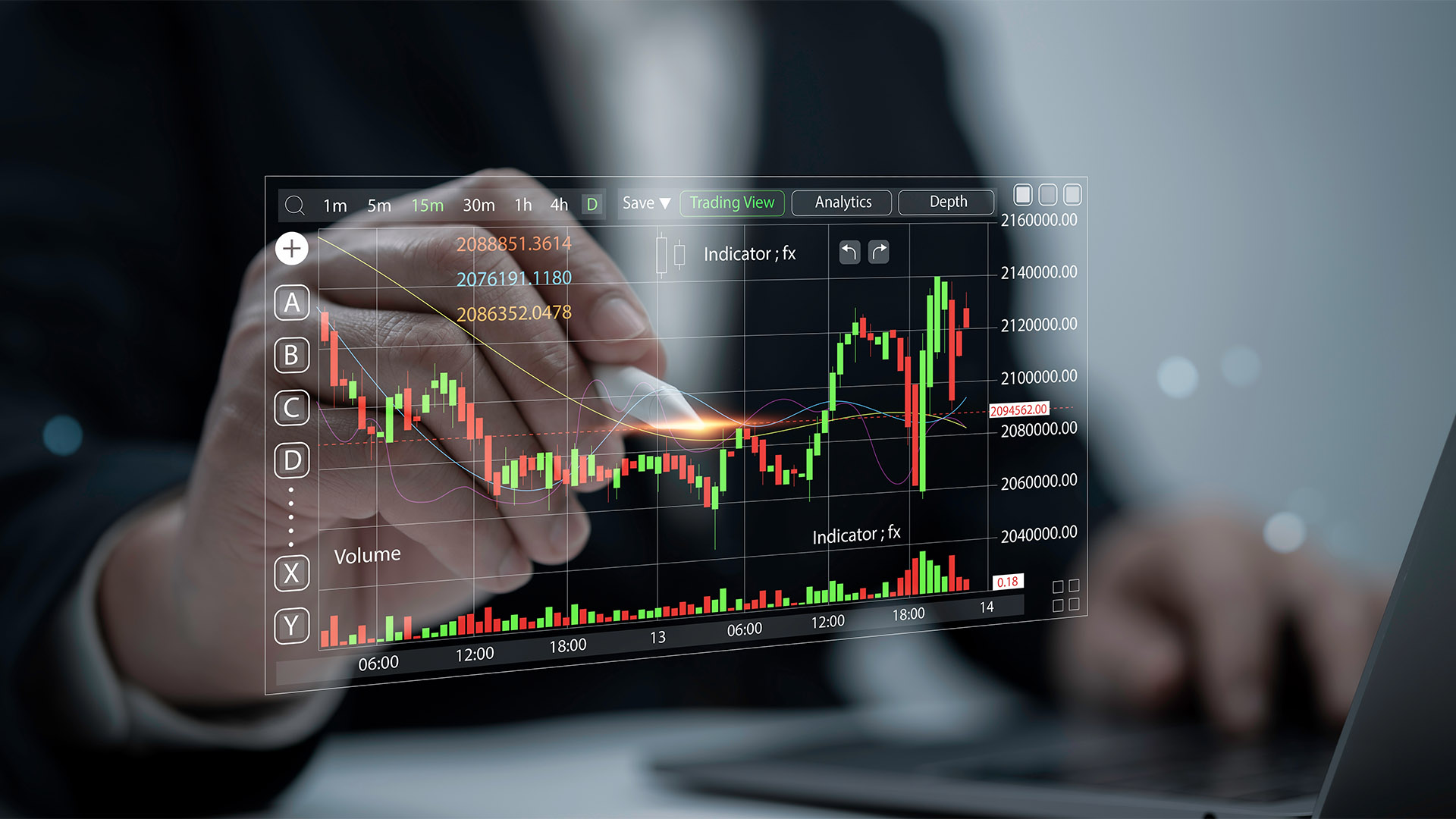
Despite the opportunities, trading on volatility carries significant hazards. Markets often overreact, and sometimes prices reverse sharply once the dust settles. Emotional reactions, poor risk management, or lack of discipline can quickly transform what looked like a promising setup into a costly mistake.
Another challenge is “slippage”: during high volatility, orders may execute at unexpected prices, or not at all, leading to larger-than-intended losses. Additionally, liquidity may suddenly evaporate, making it difficult to close positions at desired levels.
False breakouts — where price seems to surge but then snaps back — are common. Traders chasing these without proper confirmation or discipline often get “stopped out” only to watch the market resume its original trend.
Adapting to Volatility — A Practitioner’s Mindset
Experienced traders know that volatility isn’t just a risk — it’s a feature. It demands mental agility, discipline, and respect for the unpredictability of markets. This mindset involves preparing for multiple scenarios rather than betting on one outcome.
Many use resources like https://dailynewstrading.com/ to stay updated on breaking headlines and calendar events that could influence market behavior. A well-timed review of economic calendars, company schedules, or central bank meetings often constitutes the first step before positioning.
Keeping trading logs, reviewing prior trades in high-volatility sessions, and constantly refining strategy parameters help traders adapt over time. Learning which types of volatility one can handle — and which to stay away from — builds judgment. The phrase “Daily news trading” itself embodies that discipline: treat each day as a fresh test, informed by news, grounded in strategy, and executed with caution.
In the end, success under volatile conditions doesn’t come from predicting the unpredictable — it comes from preparing, adapting, and managing risk.